
What to Consider Before Choosing a Videoconferencing System
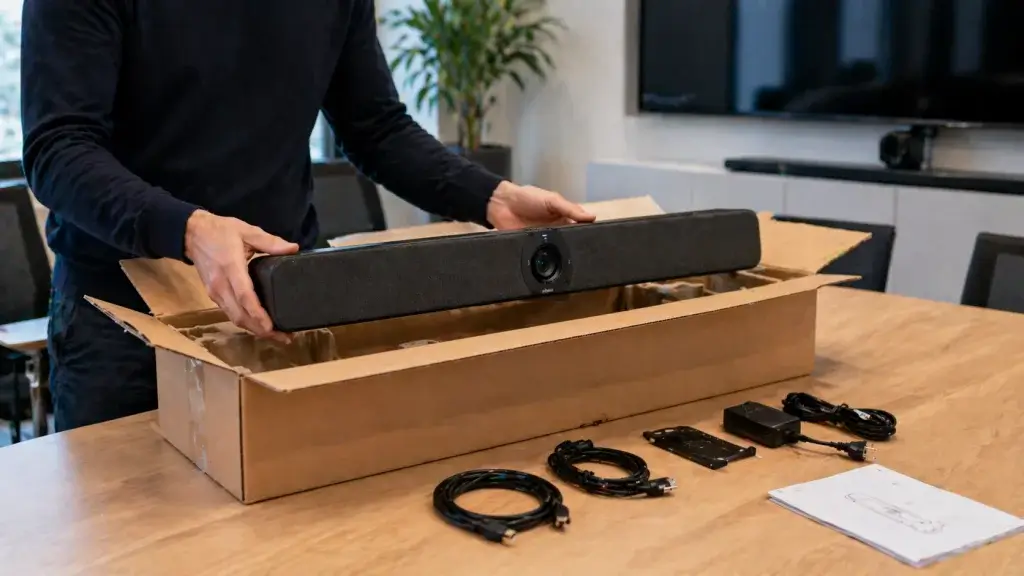
Videoconferencing is now a core part of modern business communication. Whether you are supporting hybrid teams, connecting with clients or upgrading meeting rooms, the right solution can improve collaboration, reduce travel and make meetings far more effective.
However, not all videoconferencing systems are the same. With so many hardware and software options available, it is important to choose a solution that matches how your organisation actually works.
Here are the key factors to consider before investing in a videoconferencing system.
1. Room Size and Layout
The size and shape of your meeting room will have a major impact on the type of system you need.
A small huddle room may only require an all-in-one video bar with a wide-angle camera and built-in microphones, while a larger boardroom may need:
- A higher-spec camera with optical zoom
- Extended microphone coverage
- Larger or dual displays
- Additional speakers
- Better camera positioning for wider rooms
Choosing equipment designed for the room size helps ensure everyone can be seen and heard clearly.
2. Number of Participants
The number of people regularly using the room is another key consideration.
If several people will join meetings in the room, audio quality becomes especially important. Poor microphone pickup is one of the most common frustrations in video meetings.
Look for solutions with:
- Beamforming microphones
- Noise reduction
- Echo cancellation
- Coverage suited to the room size
- Clear speaker output for remote voices
The more participants you expect, the more important room audio performance becomes.
3. Video and Audio Quality
Meeting quality is not just about the camera resolution.
While HD and 4K cameras are common, the overall experience also depends on:
- Low-latency software
- Reliable audio processing
- Stable network performance
- Good lighting in the room
- Smart framing and speaker tracking features
A well-designed mid-range solution often performs better than expensive hardware installed badly.
4. Which Platforms You Use
Many organisations now use multiple meeting platforms depending on customers, suppliers or internal preferences.
Before choosing a system, think about compatibility with platforms such as:
- Microsoft Teams
- Zoom
- Google Meet
- Web-based meeting tools
You may benefit from either:
- A dedicated room system (Teams Rooms / Zoom Rooms)
- A Bring Your Own Meeting (BYOM) setup for maximum flexibility
- A hybrid solution supporting both
5. How Meetings Actually Happen
Think beyond formal boardroom calls.
Many video meetings now happen with a mix of:
- In-room participants
- Home workers
- Mobile users
- Guests joining externally
- Quick ad-hoc internal calls
Your chosen solution should support modern hybrid meeting styles, not just traditional room-to-room conferencing.
6. Collaboration Features
Modern videoconferencing should make collaboration easier, not just provide a camera and microphone.
Useful features include:
- Wireless screen sharing
- Content annotation
- Whiteboarding
- Live document collaboration
- Chat and file sharing integration
- Touch-enabled displays
These tools can make meetings far more productive.
7. Ease of Use
If systems are difficult to use, staff will avoid them.
Look for solutions with:
- One-touch join
- Simple room controls
- Fast wireless sharing
- Minimal cables and setup
- Familiar user interfaces
The easier it is to start meetings, the more value you get from the investment.
8. Management and Support
For organisations with multiple meeting rooms, centralised management is important.
Consider:
- Remote monitoring
- Device health alerts
- Software updates
- Usage reporting
- Vendor support options
This helps reduce downtime and IT workload.
9. Budget vs Long-Term Value
Lowest upfront cost is not always the best decision.
A cheaper system that frustrates users or requires frequent support can cost more over time than a reliable, scalable solution.
Focus on total value:
- User adoption
- Reliability
- Lifespan
- Supportability
- Scalability
Our Videoconferencing Solutions
We design and install videoconferencing systems tailored to your rooms, users and preferred platforms.
Whether you need a single meeting room upgrade, BYOM solution, hybrid workspace rollout or a fully integrated meeting room estate, we can help you choose the right technology.
Call 0800 368 7358 to speak with our team or arrange a demonstration.